Home / Light Wood Finishes
Light Wood Finishes
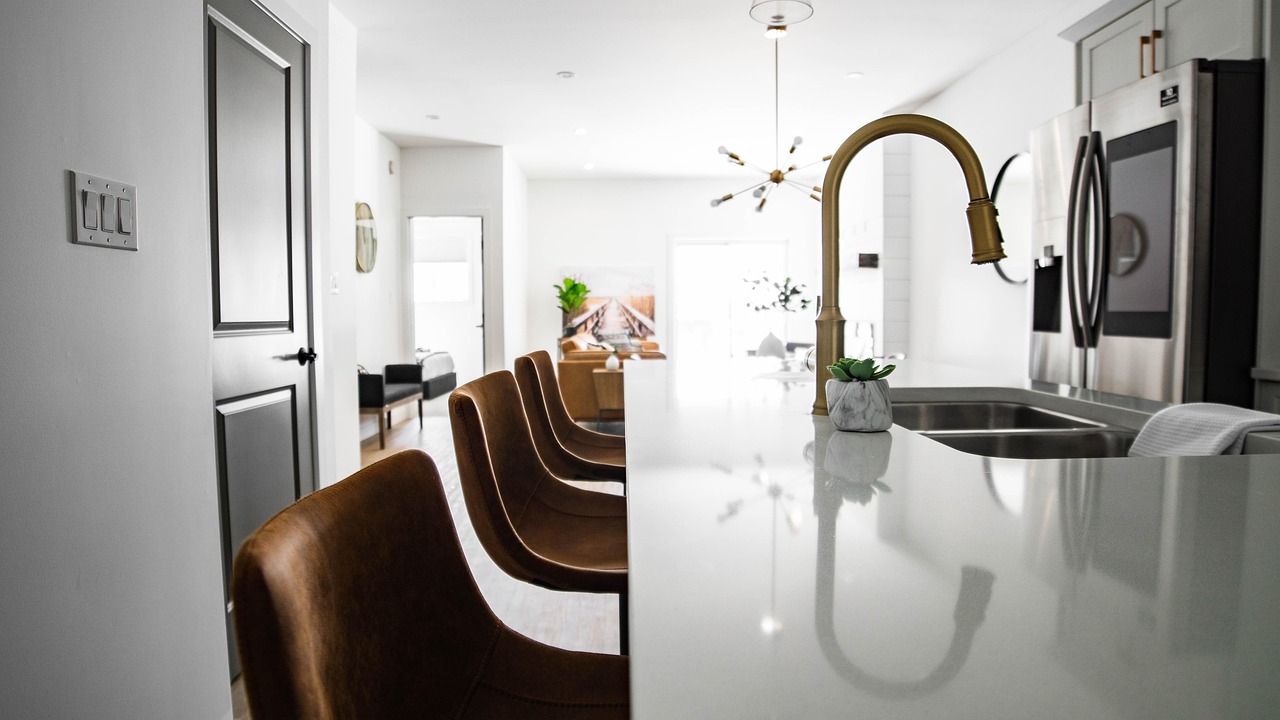
Pale wood has one stubborn enemy, and it is not scratches or spills. It is the slow turn toward yellow. Ash, birch and oak are chosen for their clean, airy look, yet a poorly chosen finish can leave them looking like old pine within a few years. This page covers how each of the three woods behaves, why light wood yellows, and which finishing choices keep it looking pale and fresh.
Three woods, three personalities
Ash has a bold, open grain with long cathedral arches on flat-cut boards and straight lines on quarter-cut ones. Its color runs from creamy white to a pale tan, and its pores are large enough that the grain feels textured under the hand. Birch is finer and more uniform, with a smooth, tight grain and a color that runs from near white to light gold, sometimes with a few darker streaks. Oak is available in white and red varieties. White oak is a muted tan with a slight gray or green undertone, while red oak has a pinkish cast that can fight a cool palette.
The choice affects the finish. Open-grained woods like ash and oak have pores that can collect dark stain or dirt. Closed-grained birch takes a smooth coating but can blotch if stained unevenly.
Why pale wood yellows
There are two main causes. The first is the wood itself. Light exposure causes a natural chemical change in the surface layers, and most pale woods warm slightly in color over time. The second is the finish. Traditional oil-based clear coats contain resins that amber with age and light, adding a yellow layer on top of the wood. A white or pale surface shows this shift more than a dark one does.
A cabinet near a sunny window will change faster than one in a shaded corner. This is why the doors at the end of a run sometimes look different from those in the middle, even though they started identical.
Finishes that stay clear
Water-based clear coats are the standard choice for keeping light wood pale. They go on nearly colorless and resist amber shifting far better than oil-based products. Many are catalyzed or cross-linked, which hardens the film for strong resistance to water and cleaners. They can raise the grain slightly on the first coat, so a light sanding between coats gives a smooth surface.
Other options include:
- A hardwax oil with a white pigment, which gives a soft matte feel and a pale, slightly whitened look, though it needs periodic maintenance.
- A pre-catalyzed lacquer, which dries quickly and stays clear, commonly used in factory-finished cabinets.
- A whitewash or pickled finish, which adds a thin layer of white pigment into the grain for a deliberately bleached look.
Avoid oil-based polyurethane on light wood unless the amber tone is the goal, since it will darken noticeably.
Sheen and what it reveals
A matte finish gives the most natural look, since it scatters light and makes the wood appear as if it has no coating at all. A satin finish adds a little protection and a little glow. Gloss looks dramatic but exaggerates every tiny flaw and shows fingerprints and scratches readily. For kitchen use, satin is a good middle ground, while matte works well on doors that do not take much handling.
Bleaching and toning
Sometimes the wood itself is more yellow than desired. Wood bleach, usually a two-part product, can lighten the surface before finishing, but it requires careful handling and must be neutralized, or the finish may not bond. Toning is a gentler approach, in which a very light wash of white or gray-tinted finish offsets the natural warmth. A tiny amount goes a long way, since too much will create a chalky, painted look.
Test on a scrap of the same species, because ash, birch and oak all respond differently, and the color seen in a sample chip can differ from the result on a full door.
Protecting against light and water
Because light drives much of the color change, simple window treatments help. A sheer shade during the brightest hours reduces exposure without darkening the room. Ultraviolet-filtering window film is another option. Rotating items on open shelves or counters prevents patchy fading, where a spot under a long-term object stays paler than the surrounding wood.
Water is the other threat, especially on an oak countertop or a birch edge near the sink. Standing water darkens the wood and leaves gray stains if it penetrates. A good film finish on all surfaces, including the underside and edges, prevents moisture from entering. Wipe spills promptly, and reseal worn areas before the wood is exposed.
Cleaning light wood
Mild soap and water on a soft cloth is usually enough. Strong cleaners, ammonia products and citrus-based degreasers can dull the finish or cause spotting. Dry the surface after cleaning so no film of moisture sits on it. Use felt pads under items that slide, and avoid placing hot pans directly on the surface, since heat can mark most clear coats.
Maintenance over the years
Even a good finish wears. High-touch areas, such as the edges of doors and the front of drawers, lose sheen first. A light scuff sanding and a fresh coat of the same finish type can restore them. Always use the same type of finish as the original, since mixing water-based and oil-based products can cause adhesion problems or color differences.
If the cabinets were factory finished, ask the maker for the exact finish and touch-up product. Keeping a small sample door or a record of the finish name in a household file makes later repairs easier.
Choosing with the long view
For a kitchen meant to stay pale, the safest combination is a water-based clear coat in a matte or satin sheen over ash, birch or white oak, with sun protection on any windows near the cabinets. That pairing keeps the wood close to its original tone, accepts routine cleaning and can be refreshed locally when wear appears. Pale wood will always change a little, but the right finish keeps that change slow, even and attractive rather than sudden and yellow.
Questions to ask a cabinet maker
A few direct questions reveal how a shop handles pale wood. Is the clear coat water-based or oil-based? Is it catalyzed, and how long does it cure before the doors ship? Are all door faces and edges sealed, including the backs? How is the veneer matched, and is the wood from the same lot across the whole job? What touch-up product is recommended, and can a small bottle be supplied with the order? A shop that answers quickly and specifically has usually thought about aging. Vague answers are a warning that the finish may be an afterthought.
It is also worth asking to see a door that has been in service for a few years. A showroom sample under spotlights proves little, while a worn door beside a window shows exactly how the finish ages in real use.